A Practical Guide to Purchasing Jewelry Overstock
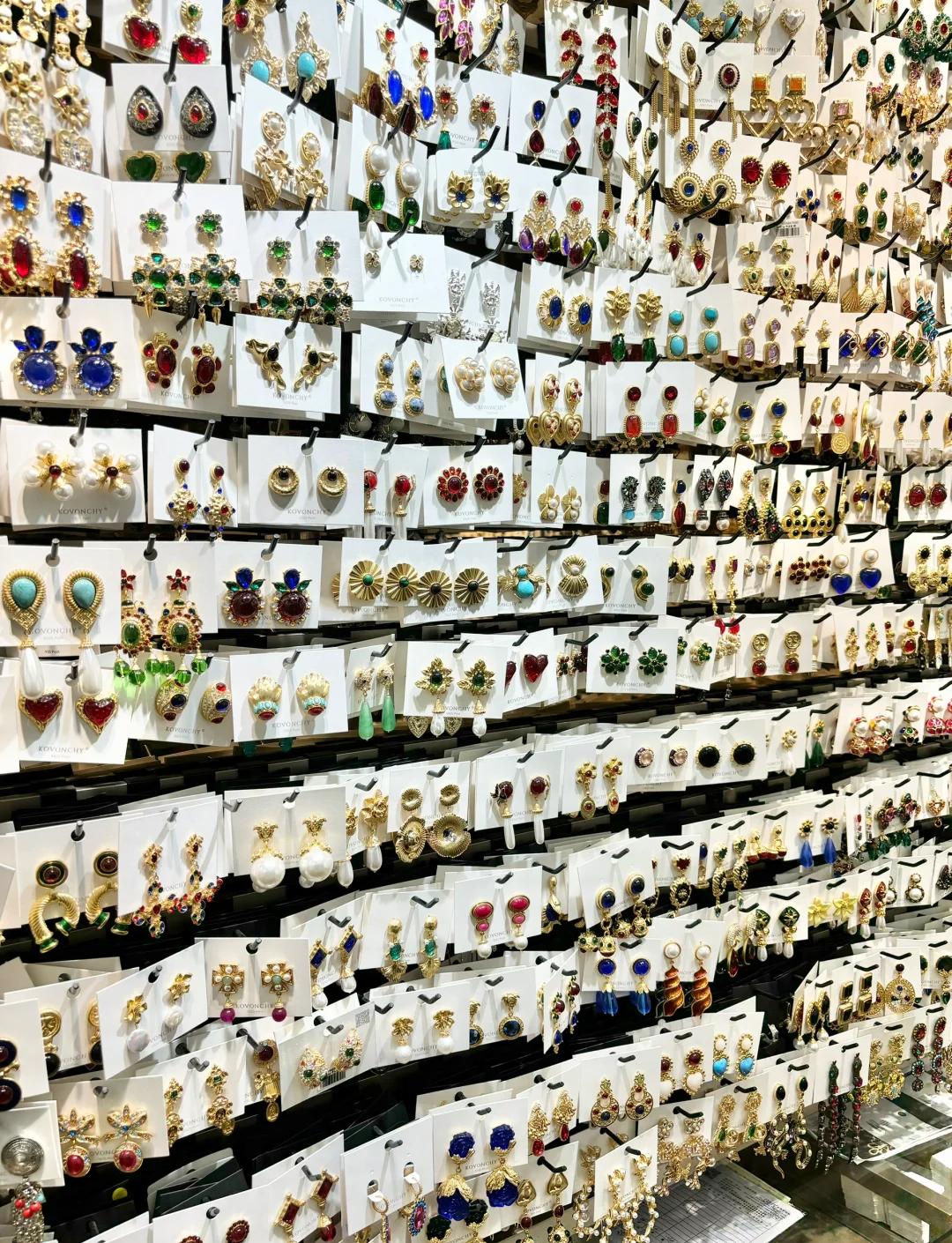
Jewelry overstock is a high-potential business choice for merchants engaged in physical stores, online e-commerce, live streaming, or stall operations. With its low procurement cost (30% to 50% of the original wholesale price) and diverse styles, it can effectively increase profit margins while meeting the diverse decorative needs of consumers. However,拿货 without professional skills often leads to stockpiles of low-quality goods, unsalable products, or even compliance risks. This guide summarizes practical tips for purchasing jewelry overstock, focusing on compliance, no brand names involved, and detailed operation steps to help you avoid pitfalls and get high-quality goods at a low cost.
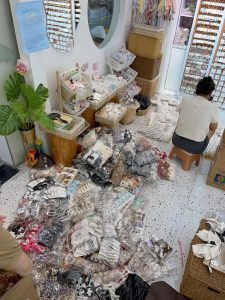
1. Clarify Target Positioning to Avoid Blind Procurement
Before purchasing jewelry overstock, the first and most important step is to clarify your target customer group and sales scenario. Different groups have distinct preferences for jewelry styles, materials, and prices, which directly determines the direction of your procurement and avoids blind stocking.
If your main customers are young people aged 18-28, focus on trendy and affordable styles, such as alloy necklaces, acrylic beaded bracelets, and simple earrings, with prices ranging from $1 to $6 per piece. For middle-aged customers or gift wholesale, prioritize simple and elegant styles made of natural stone, stainless steel, or wood, with better quality and prices between $3 and $10 per piece. It is not advisable to pursue low prices blindly; even if the overstock is cheap, it will become dead stock if it does not match your target group. It is recommended to allocate the proportion of categories reasonably, such as necklaces accounting for 40%, bracelets 30%, earrings 20%, and other small accessories 10%.
2. Choose Reliable Sourcing Channels
The quality and price of jewelry overstock are closely related to sourcing channels. Choosing a reliable channel is the key to successful procurement and avoiding counterfeit or shoddy products. Here are three practical channels for your reference:
First, professional jewelry overstock markets, such as Yiwu International Trade City Phase 1, Guangzhou Liwan Jewelry Market, and Hangzhou Sijiqing Overstock Area. These markets gather a large number of factory direct-supply overstock, with complete styles, transparent prices, and the advantage of on-site inspection. Most merchants support bulk wholesale and small-batch mixed batch, which is suitable for both new and experienced merchants.
Second, direct cooperation with jewelry factories. Many jewelry factories will have leftover orders, overproduction, or seasonal stockpiles. Cooperating directly with factories can skip middlemen, get lower prices, and even negotiate flexible minimum order quantities. However, this channel requires certain procurement volume, which is more suitable for merchants with stable sales.
Third, formal online wholesale platforms, such as 1688 and professional jewelry wholesale websites. For merchants who cannot go to the market in person, this is a convenient choice. Most platforms have detailed product descriptions, real pictures, and after-sales guarantees, but it is necessary to carefully check the merchant’s reputation and product reviews to avoid being deceived.
3. Master Quality Inspection Skills to Avoid Defective Products
Jewelry overstock often has minor flaws due to its low price, but serious quality problems must be avoided. Therefore, on-site quality inspection is essential when taking goods, especially for offline channels.
When inspecting, first check the material: distinguish between alloy, acrylic, natural stone, stainless steel, and other materials to ensure they are consistent with the merchant’s description. Second, check the craftsmanship: see if the connection of the jewelry is firm, whether the polishing is smooth (avoid burrs that may scratch the skin), and whether the inlay (if any) is tight. Third, check the details: such as the flexibility of the bracelet’s elastic rope, the firmness of the necklace’s clasp, and whether there are obvious scratches, rust, or color fading. Finally, confirm the defect rate—qualified jewelry overstock should have a defect rate of no more than 5%; if the defect rate is too high, negotiate with the merchant to reduce the price or give up purchasing.
4. Grasp Pricing and Bargaining Skills to Increase Profit Space
The core advantage of jewelry overstock is its low price, and mastering bargaining skills can further reduce procurement costs and increase profit margins. First, understand the market price in advance: visit multiple merchants to compare prices, understand the price range of similar products, and avoid being overcharged. Generally, the price of jewelry overstock is 30%-50% of the original wholesale price, and the price will be lower for bulk purchases (more than 200 pieces) or whole-box clearance.
When bargaining, you can use these skills: first, increase the purchase volume—merchants are more willing to give 10%-20% discounts for large orders. Second, mix and match multiple styles and categories—purchasing necklaces, bracelets, and earrings together can also get preferential prices. Third, grasp the timing: the end of each season (March, June, September, December) is the peak period for factories to clear stock, and the price will be 20%-30% lower than usual, which is the best time to take goods.
5. Pay Attention to Compliance and Avoid Risks
When purchasing jewelry overstock, compliance is the bottom line to avoid legal risks. First, refuse to purchase products that may involve infringement, such as jewelry with unclear intellectual property rights or imitated designs. Second, do not buy jewelry with unknown materials, especially those that may contain harmful substances (such as unqualified alloy jewelry), to avoid consumer complaints. Third, clarify the after-sales policy in advance: some merchants do not accept returns or exchanges for overstock, so it is necessary to confirm the after-sales service (such as return conditions for defective products) before purchasing to avoid disputes.
In short, purchasing jewelry overstock requires a combination of clear positioning, reliable channels, professional quality inspection, and flexible bargaining skills. By following this guide, you can effectively reduce procurement costs, avoid operational risks, and use cost-effective overstock to gain more market competitiveness. Remember, the key to successful拿货 is not only low prices but also matching your own sales needs, ensuring product quality and compliance.