Wholesale Hat Overstock Offline Market Location and Precautions

For wholesalers engaged in the hat overstock business, finding reliable offline wholesale markets and mastering key precautions are crucial to reducing costs, avoiding risks, and maximizing profits. Wholesale hat overstock offline market location and precautions has become one of the most searched keywords on Google for hat overstock wholesalers, as it directly addresses the core pain points of “where to buy” and “how to buy safely”. This article will provide a comprehensive, practical guide to help you locate high-quality offline hat overstock wholesale markets and grasp essential precautions to ensure a smooth and profitable wholesale experience.
First, it is important to understand why offline wholesale is still a preferred choice for hat overstock wholesalers. Unlike online wholesale, offline markets allow you to inspect the quality of hat overstock on the spot, negotiate prices face-to-face with suppliers, and even establish long-term cooperative relationships. This not only reduces the risk of receiving unqualified goods but also helps you gain access to more competitive prices and stable supply sources. For exporters and small-to-medium wholesalers, offline hat overstock wholesale markets are particularly valuable, as they offer a wide variety of products and flexible purchasing terms, such as low minimum order quantities (MOQ).
Key Offline Wholesale Market Locations for Hat Overstock
Hat overstock offline wholesale markets are mainly concentrated in regions with developed garment and accessory industries, where the industrial chain is complete and the supply of hat overstock is sufficient. Below are the most reliable and popular offline markets around the world, with a focus on China’s core wholesale hubs, which are the main sources of global hat overstock supply.
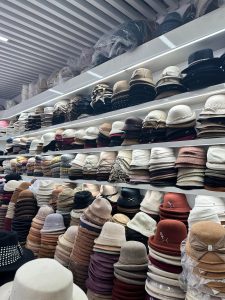
The first core market is Yiwu International Trade City in Zhejiang, China. As the world’s largest small commodity distribution center, Yiwu gathers a large number of hat manufacturers and overstock wholesalers, making it a top choice forwholesale hat overstock offline market procurement. The hat overstock area is mainly located in District 4, Streets 18-30 of Yiwu International Trade City, where you can find all types of hat overstock, including baseball caps, sun hats, beanies, bucket hats, and kids’ hats. The advantages of this market are its complete product range, competitive prices (usually 30%-50% lower than new products), and flexible purchasing terms—many suppliers support mixed batches, which is ideal for small wholesalers. Additionally, Yiwu’s mature logistics system makes it convenient for exporters to ship goods to various parts of the world.
Another important market is Shenzhen Dongmen Baohua Building Baima Wholesale Market, located on the 1st floor of Baohua Building in Dongmen, Shenzhen. This market is known for its fashionable hat styles and high-quality hat overstock, mainly focusing on middle-to-high-end casual hats, vintage hats, and outdoor hats. It is a great choice for wholesalers who want to purchase trendy hat overstock, as many suppliers here are closely connected to hat factories in Guangdong, ensuring a steady supply of new overstock styles. The market also attracts many foreign buyers, so suppliers are familiar with export requirements, making it easier for exporters to complete customs clearance and other procedures.
For wholesalers in northern China, Beijing’s offline hat overstock wholesale markets are convenient options. The main markets include Beijing Shoulashou Overstock Wholesale City (No. 67 South Third Ring Middle Road, Fengtai District) and Beijing Tianlantian Overstock Market (Tianlantian GOGO Clothing Overstock Professional Wholesale Market, near Lizeqiao Long-distance Bus Station, Xihuan Middle Road, Fengtai District). These markets gather hat overstock from all over the country, with a focus on affordable and practical styles, such as winter warm beanies, summer sun hats, and daily casual caps. The prices here are relatively low, making them suitable for wholesalers targeting the mass market. It is worth noting that these markets have strict quality supervision, reducing the risk of purchasing unqualified goods.
In addition to China’s core markets, there are also notable hat overstock offline wholesale markets in other countries. For example, in the United States, the New York Fashion District has a number of overstock wholesale stores specializing in hats, offering a variety of imported and local hat overstock. In Europe, the Milan Wholesale Market in Italy and the Paris Wholesale Market in France are known for their high-end hat overstock, suitable for wholesalers targeting the luxury market. However, China’s offline markets remain the preferred choice for most global wholesalers due to their lower prices and more abundant supply.
Essential Precautions for Wholesale Hat Overstock in Offline Markets
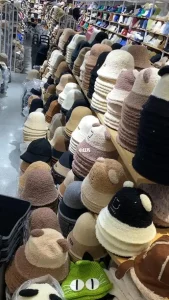
While offline wholesale markets offer many advantages, they also come with certain risks. Mastering the following precautions will help you avoid losses and ensure a smooth wholesale process. These precautions are closely related to wholesale hat overstock offline market precautions, covering quality, legality, price, and logistics—all key aspects of successful hat overstock wholesale.
First and foremost, conduct strict on-site quality inspections. The biggest risk of hat overstock wholesale is receiving unqualified goods, such as hats with damaged fabrics, loose stitching, missing accessories (e.g., buckles, straps), stains, or deformation. When inspecting, focus on the integrity of the fabric—check for holes, tears, or discoloration—and the firmness of the stitching to ensure the hats are durable. For light-colored hats, pay extra attention to stains and yellowing, which are common issues in overstock goods. It is recommended to randomly sample 5%-10% of the goods for inspection, especially for large batch orders, to avoid receiving a large number of unqualified products. Do not rely solely on the samples displayed by the supplier; take out goods from the inside of the stock to inspect, as some suppliers may display high-quality samples but provide inferior goods in bulk.
Second, verify the legitimacy of the goods and avoid infringement. It is crucial to ensure that the hat overstock you purchase has a legitimate source and does not involve brand infringement. Many hat overstock are excess inventory from regular manufacturers or retailers, but some may be counterfeit products or goods with unclear sources. Before purchasing, ask the supplier to provide relevant documents, such as inventory certificates, product qualification certificates, and business licenses, to confirm that the goods are genuine overstock. Do not purchase hats with unremoved brand logos or patterns without authorization, as this may constitute trademark infringement and lead to legal disputes and economic losses. According to relevant laws such as the Trademark Law and Consumer Rights Protection Law, wholesalers who sell infringing goods may face fines and even criminal liability. Therefore, it is essential to remain vigilant and avoid any potential infringement risks.
Third, negotiate prices and terms carefully. When wholesaling hat overstock in offline markets, face-to-face price negotiation is an important link to reduce costs. Before negotiating, understand the market price of similar hat overstock to avoid being overcharged. Clarify whether the quoted price includes packaging fees, transportation fees, and other additional costs to avoid hidden charges. For small wholesalers, try to negotiate a lower minimum order quantity (MOQ) to reduce inventory pressure and investment risks. At the same time, discuss the payment method and delivery time with the supplier—for example, whether to pay a deposit first and the balance after delivery, and the specific time for the supplier to prepare the goods. It is recommended to sign a formal written contract to clarify the rights and obligations of both parties, which can effectively avoid disputes after the transaction.
Fourth, pay attention to packaging and transportation. Hats are fragile products, and improper packaging or transportation may lead to deformation, which will affect the sales of the goods. When purchasing, ask the supplier to use shockproof, moisture-proof, and pressure-proof packaging materials, such as bubble wrap and cartons, to protect the hats from damage during transportation. For long-distance transportation or export, choose a reliable logistics company with rich experience in transporting hat products, and purchase transportation insurance if necessary to reduce the risk of goods damage or loss. In addition, reasonably control the purchase quantity according to your own sales capacity to avoid inventory backlogs and capital occupation.
Finally, screen suppliers carefully. A reliable supplier is the key to long-term and stable hat overstock wholesale. When selecting suppliers in offline markets, pay attention to their reputation, supply stability, and after-sales service. You can ask other wholesalers in the market about the supplier’s situation, or check the supplier’s business license and other relevant documents to confirm their legitimacy. It is best to cooperate with suppliers who have rich experience in hat overstock wholesale and can provide after-sales guarantee—for example, agreeing on a return policy for unqualified goods. Establishing a long-term cooperative relationship with reliable suppliers can not only ensure the quality of goods but also gain more preferential prices and priority supply rights.
In conclusion, wholesale hat overstock offline market location and precautions are two core elements that determine the success of hat overstock wholesale. By choosing the right offline wholesale markets, you can gain access to high-quality, low-cost hat overstock; by mastering key precautions, you can avoid risks and ensure the smooth progress of the wholesale process. Whether you are a new wholesaler or an experienced exporter, this guide can help you better grasp the skills of hat overstock offline wholesale, reduce costs, improve efficiency, and achieve greater profits in the competitive hat overstock market.