What Is Women’s Clothing Overstock? A Comprehensive Guide
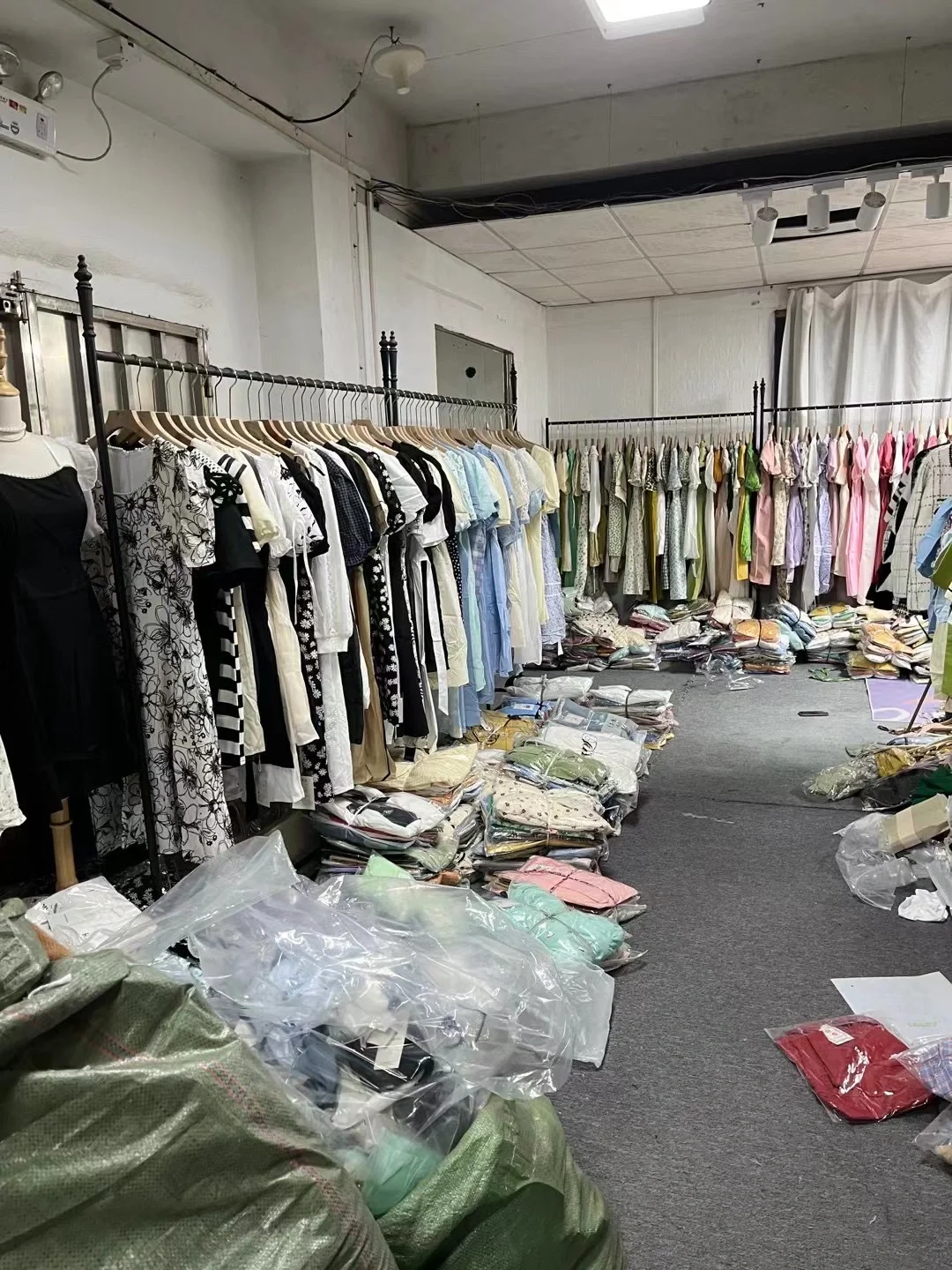
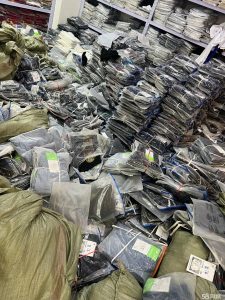
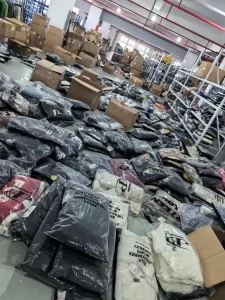
In the clothing wholesale market, women’s clothing overstock is a common and high-potential category that attracts numerous merchants with its low cost and broad market demand. However, many people still have misunderstandings about women’s clothing overstock, equating it with low-quality or outdated products. In fact, women’s clothing overstock refers to brand-new or nearly new women’s clothing that is not sold in time due to various reasons, including leftover orders, seasonal clearance, inventory backlogs, and slight production flaws. It is not inferior goods, but a cost-effective choice that balances quality and price, playing an important role in the clothing industry chain.
To fully understand women’s clothing overstock, it is necessary to first clarify its main sources. The first and most common source is factory leftover orders. When clothing factories receive orders from brands or retailers, they usually produce 5%-10% more products than the order quantity to avoid shortages caused by production errors or quality problems. After completing the formal order delivery, these extra products become overstock. These overstock items are brand-new, with the same quality as the formal order products, and even the same packaging and tags, but the price is much lower.
The second source is seasonal clearance overstock. The clothing industry is highly seasonal, and after each season ends, a large number of unsold seasonal women’s clothing will be left in stores and warehouses. For example, short-sleeve tops, dresses, and other summer clothing will become overstock after autumn and winter arrive. These products are not outdated in style, but they are no longer suitable for the current season, so merchants will sell them at a low price to clear inventory and recover funds. This type of overstock is especially popular among small merchants, as it can be purchased at a low cost and resold in the next season.
The third source is inventory backlogs from retailers or e-commerce platforms. Physical stores and online stores often stock a large number of women’s clothing to meet customer needs, but some styles may not sell as expected due to changes in market trends, inaccurate demand forecasting, or improper pricing. These unsold products will be stored in warehouses for a long time, occupying space and funds, so merchants will sell them as overstock at a discounted price to reduce losses. In addition, some overstock may come from products with slight production flaws, such as small thread ends, slight color differences, or uneven stitching—these flaws do not affect normal wearing, but they cannot be sold as regular products, so they are classified as overstock.
It is important to distinguish women’s clothing overstock from counterfeit products or inferior goods. Legitimate women’s clothing overstock is produced by regular factories, with qualified materials and craftsmanship, and does not involve brand infringement. The reason for its low price is not poor quality, but the need to clear inventory quickly, not because of product defects. In contrast, counterfeit products are imitations of well-known brands, with poor quality and potential legal risks, which are completely different from formal overstock.
For merchants, women’s clothing overstock has obvious advantages. First, the procurement cost is low—usually 30%-50% lower than regular wholesale prices, which can greatly increase profit margins. Second, the styles are diverse, covering basic models, trendy styles, and seasonal styles, which can meet the needs of different consumer groups. Third, the market demand is stable. Basic styles such as short sleeves, jeans, and casual tops are always in demand, and even seasonal overstock can be resold in the next season, reducing the risk of unsold inventory.
However, there are also some points to pay attention to when purchasing women’s clothing overstock. Merchants need to strictly check the quality, distinguish between minor flaws and serious defects, and avoid purchasing products with obvious quality problems. At the same time, they should clarify the source of the overstock to ensure that the products are legal and compliant, without involving brand infringement. In addition, it is necessary to reasonably predict market demand, avoid overstocking on overly niche or outdated styles, and ensure that the purchased overstock can be quickly sold.