How to Make Money by Selling Overstock Jeans at a Stall
admin May 5, 2026 0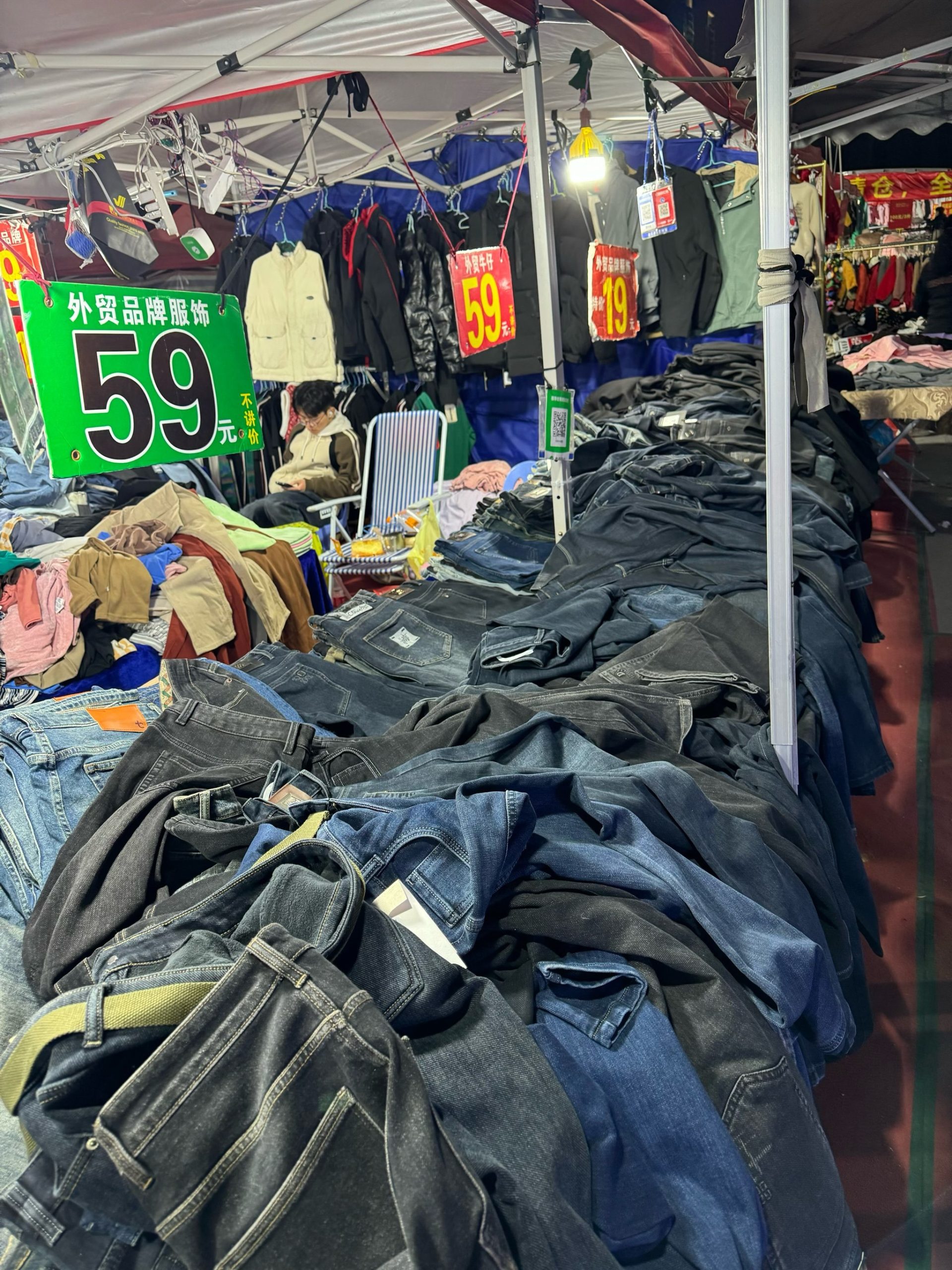
Selling overstock jeans at a stall is a low-cost, high-profit entrepreneurial project that is suitable for beginners who want to start a business with a small budget. Overstock jeans have the advantages of low wholesale prices, diverse styles, and stable market demand, which perfectly match the characteristics of stall sales—low investment, fast turnover, and flexible operation. However, to make steady money from this project, you need to master scientific purchasing skills, reasonable pricing strategies, and effective sales methods. This article will detail the key points of making money by selling overstock jeans at a stall, with clear paragraphs and highlighted core content for practical operation.
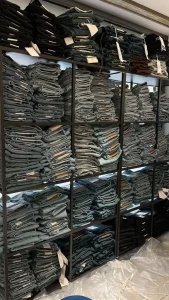
The first step to make money is to choose high-quality overstock jeans at a low cost, which is the foundation of profitability. For stall operators, the core advantage of overstock jeans is their low wholesale price—usually 30% to 50% lower than regular wholesale prices, and even some high-quality styles can be purchased for as low as $12 to $30 per piece. When purchasing, you should focus on two key points: quality and style. In terms of quality, avoid products with serious defects such as broken seams, faded fabrics, or loose zippers; slight flaws like small thread ends or slight color differences are acceptable, as they can be sold at a discounted price without affecting normal wearing. In terms of style, prioritize simple and classic models such as straight-leg jeans, wide-leg jeans, and skinny jeans, which are widely accepted by consumers of different ages and body types and are not easy to be outdated.

Choosing the right wholesale channel is crucial to reducing procurement costs. It is recommended to cooperate directly with factories or professional overstock wholesale markets, such as Guangzhou Xintang Denim City or Yiwu International Trade City, to skip middlemen and get the lowest wholesale prices. For beginners, it is not advisable to purchase a large number of goods at one time; instead, choose small-batch mixed wholesale (20-30 pieces at a time) to test the market, which can reduce inventory risks. In addition, when purchasing, you can negotiate with suppliers for preferential prices based on the purchase volume—for example, purchasing more than 100 pieces at a time can get an additional 5%-10% discount, further increasing profit margins.
The second key to making money is to set a reasonable pricing strategy that balances profitability and market competitiveness. Stall sales focus on “high cost performance” to attract customers, so the pricing should not be too high or too low. Generally, the selling price can be set at 2-2.5 times the wholesale price. For example, if the wholesale price of a pair of overstock jeans is $20, the selling price can be set at $40-$50, ensuring a reasonable profit margin while being acceptable to customers. At the same time, flexible pricing methods can be adopted: set a unified price for basic models (such as $39.9 per piece) to facilitate quick sales; set a slightly higher price for trendy styles or high-quality styles (such as $59.9 per piece) to increase profits. In addition, promotional activities such as “buy two get one free” or “full $100 minus $20” can be launched to attract customers to buy more and improve the average transaction volume.