Is the profit margin large for selling leftover short sleeve T-shirts with low cost?
Low-cost entrepreneurship by selling leftover short sleeve T-shirts is a classic example of a small-investment, high-return project, making it perfect for entrepreneurs with limited startup funds. The low cost of entry does not mean low profits—in fact, this business model offers some of the highest profit margins in the small business world, thanks to the ultra-low sourcing costs and strong market demand.
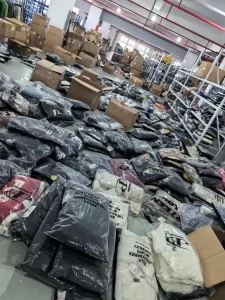
The key to the high profit margin is the minimal upfront investment and low operating costs. Unlike traditional retail businesses that require expensive store rent, decoration, and personnel, selling leftover short sleeve T-shirts can be started with just a few hundred dollars. This initial investment is used to purchase small batches of short sleeve T-shirt overstock from wholesale liquidation markets, where prices range from $1 to $3 per piece.
Even with such low sourcing costs, sellers can retail these overstock short sleeve T-shirts at $5 to $10 per piece, resulting in a profit multiple of 3 to 5 times. This means that for every $100 invested in sourcing, sellers can potentially earn $300 to $500 in revenue, with a net profit margin of 60% to 80%. The capital return cycle is also very short—most sellers can recoup their initial investment within 1 to 2 weeks of selling.
Low-cost operation also allows sellers to be flexible in their sales channels. Whether selling at street stalls, through social media (such as Facebook or Instagram), or via consignment in small stores, the operating costs remain low. This flexibility means that sellers can adapt to market changes quickly, such as shifting to high-demand styles or adjusting prices to stay competitive. Overall, selling leftover short sleeve T-shirts with low cost offers a large profit margin, low risk, and high flexibility, making it an ideal project for low-budget entrepreneurs.