Is Wholesaling Children’s Overstock Clothing Profitable? Practical Guide to Maximize Profits
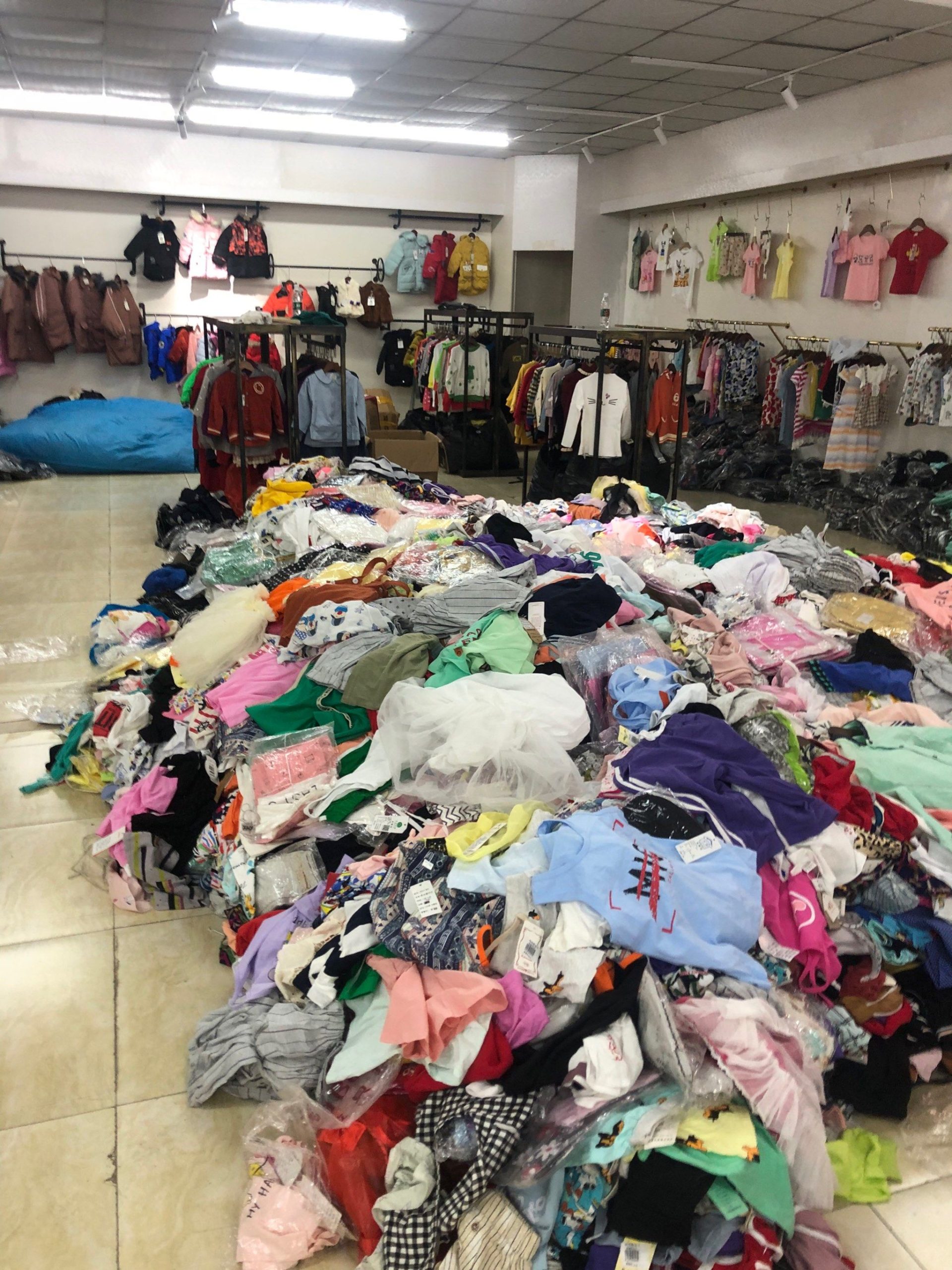
In the clothing wholesale market, children’s overstock clothing has become a hot choice for many merchants, especially beginners with limited start-up funds. A common question among merchants is: Is wholesaling children’s overstock clothing profitable? The answer is undoubtedly yes—this category has unique advantages such as low procurement costs, stable market demand, and low operational risks, which can bring considerable profit margins if operated properly. However, high profits do not come easily; they require mastering core skills in purchasing, positioning, pricing, and inventory management. This article will comprehensively answer this question and detail how to wholesale children’s overstock clothing for high profits, with clear paragraphs and highlighted key points for practical operation.
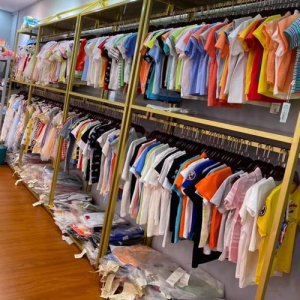
First, let’s clarify the core question: Why is wholesaling children’s overstock clothing profitable? The biggest advantage lies in the huge and stable market demand. Unlike adults, children grow rapidly, so parents need to update their children’s clothing frequently—on average, each child needs 5-8 sets of new clothes every season. This creates a continuous market demand, which is the foundation of profitability. In addition, children’s overstock clothing is not inferior goods; it refers to brand-new or nearly new children’s clothing that is unsold due to leftover orders, seasonal clearance, or slight production flaws. Its wholesale price is usually 30%-50% lower than regular wholesale prices, and some high-quality styles can even be purchased at a lower cost, which directly expands the profit space for merchants.
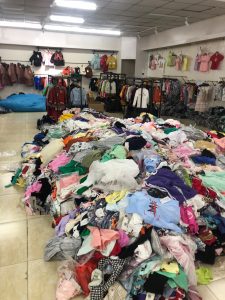
To achieve high profits, the first key step is to select high-quality and marketable children’s overstock clothing. For children’s clothing, quality and safety are the top priorities—parents are more concerned about whether the clothing is non-toxic, skin-friendly, and durable than the style. When purchasing, prioritize fabrics such as cotton, modal, and blended fabrics that are soft, breathable, and non-toxic, and avoid materials that are rough, have peculiar smells, or are easy to fade. Strictly check for quality defects: reject products with serious problems such as broken seams, loose buttons, or uneven stitching; slight flaws like small thread ends or slight color differences are acceptable and can be sold at a slightly discounted price without affecting sales. In terms of style, focus on simple, practical, and classic models (such as basic T-shirts, casual pants, and simple dresses) that are not easy to be outdated, avoiding overly niche or trendy styles that are easy to become unsalable.
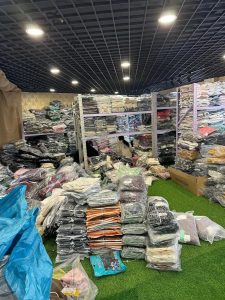
Reasonable age and size allocation is crucial to ensuring fast turnover and high profits. The mainstream target groups for children’s clothing are infants (0-3 years old), young children (4-10 years old), and tweens (11-15 years old). Among them, young children’s clothing has the largest market demand, so it should account for 60%-70% of the purchase volume. Infants’ clothing should focus on softness and simplicity (such as onesies and loose tops), while tweens’ clothing should pay attention to durability and comfort (such as jeans and sports jackets). When allocating sizes, focus on medium sizes (such as 80cm-140cm for young children), which have the highest sales volume, and appropriately allocate small and large sizes to avoid inventory backlogs.
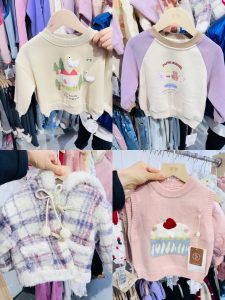
Choosing the right wholesale channel is the key to reducing procurement costs and increasing profits. For merchants, skipping middlemen is the best way to get the lowest wholesale prices. It is recommended to cooperate directly with children’s clothing factories or professional overstock wholesale markets (such as Yiwu International Trade City and Guangzhou Children’s Clothing Wholesale Market). These channels have complete styles, transparent prices, and support small-batch mixed wholesale, which is suitable for beginners to test the market. For bulk purchases (more than 100 pieces), you can negotiate with suppliers for an additional 5%-10% discount, further expanding the profit margin. For online purchases, choose reputable wholesale platforms and check the merchant’s reviews and after-sales policies to avoid buying counterfeit or low-quality products.
A scientific pricing strategy is essential to balancing profitability and market competitiveness. The core of children’s overstock clothing wholesale is “high cost performance”. The selling price can be set at 2-3 times the wholesale price—for example, if the wholesale price of a piece of children’s overstock T-shirt is $8, the selling price can be set at $16-$24. This price range not only ensures a high profit margin but also is acceptable to most parents. For high-quality styles with no obvious flaws, the price can be slightly increased; for styles with minor flaws, set a discounted price (such as 10%-20% off) to attract price-sensitive customers. In addition, launch promotional activities such as “bulk discounts” (buy 10 pieces get 1 free) to encourage merchants to buy in bulk and improve sales volume.
To maintain long-term high profits, it is necessary to do a good job in inventory management and adjust strategies in a timely manner. Children’s clothing has strong seasonality, so it is necessary to adjust the purchase plan according to seasonal changes: increase the purchase volume of thin clothing (such as short sleeves and skirts) in spring and summer, and focus on thickened or fleece-lined clothing (such as jackets and thermal underwear) in autumn and winter. After each purchase, count the sales data, summarize best-selling and unsalable styles, increase the purchase volume of best-selling styles, and carry out clearance promotions for unsalable styles in a timely manner (such as 20%-30% off) to recover funds and avoid occupying inventory space.
In conclusion, wholesaling children’s overstock clothing is indeed a profitable project with huge potential. Its profitability comes from stable market demand, low procurement costs, and flexible operation. As long as merchants grasp the key points—selecting high-quality and marketable products, choosing cost-effective wholesale channels, formulating reasonable pricing strategies, and doing a good job in inventory management—they can maximize profits. For beginners, it is recommended to start small, accumulate experience continuously, and adjust operation strategies according to market changes, so as to achieve stable and high profits in the children’s overstock clothing wholesale business.